When planning a home renovation, construction project, garage cleanout, or commercial property cleanup, one of the first questions people ask is simple: how much does dumpster rental cost?
The answer depends on more than just the size of the container. Many customers assume pricing is based only on choosing between a smaller or larger dumpster, but several important factors affect the final cost. Understanding these dumpster rental cost factors helps homeowners, contractors, and business owners make smarter decisions and avoid unexpected charges.
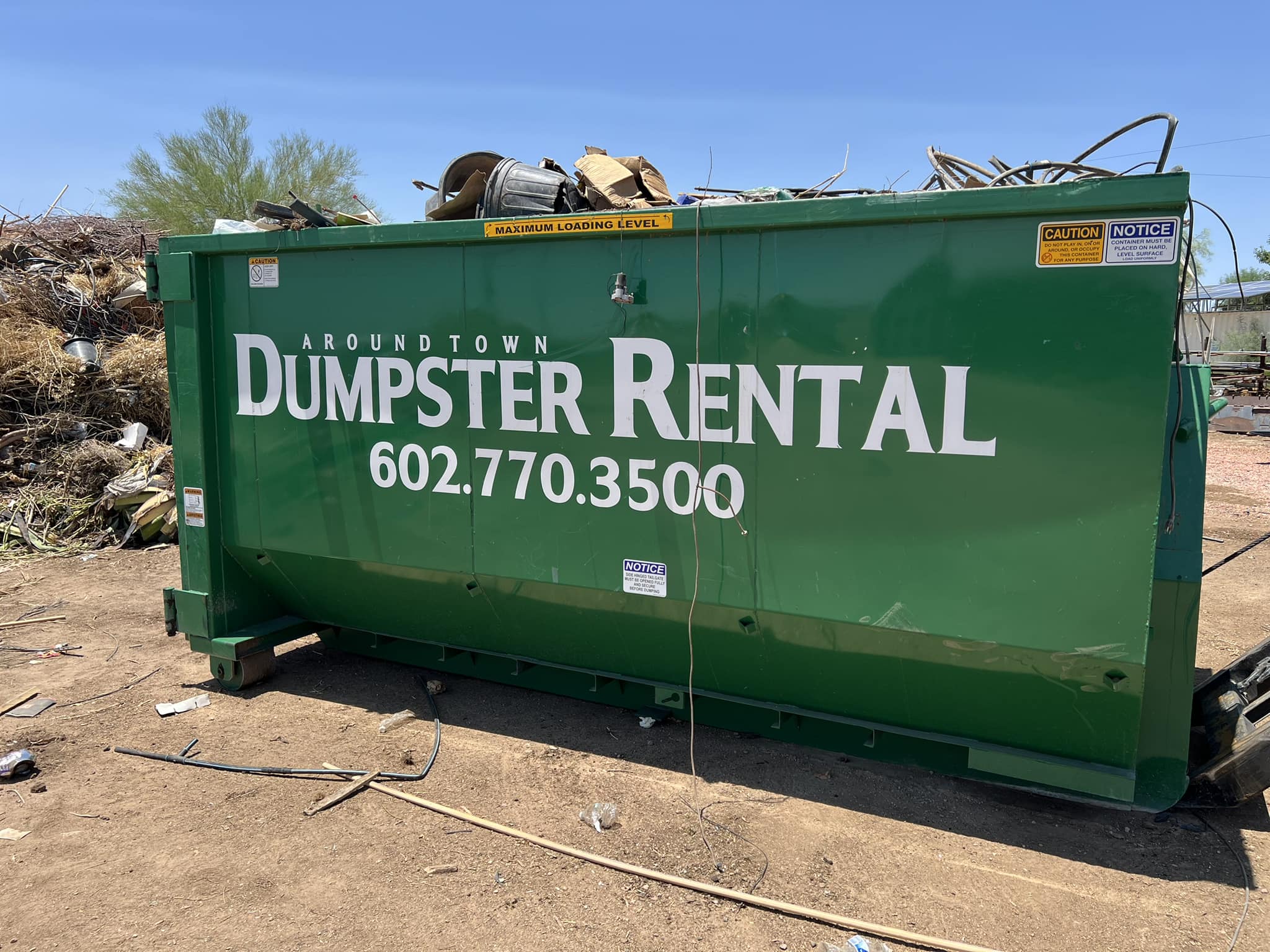
At Around Town Dumpster Rental, customers across Arizona rely on clear pricing, dependable service, and practical dumpster solutions for both residential and commercial projects. Their 12-yard and 20-yard dumpster options are designed to support efficient waste management while keeping projects on budget.
Dumpster Size Is Only One Part of Pricing
Yes, dumpster size plays a major role in pricing, but it is only one piece of the overall picture.
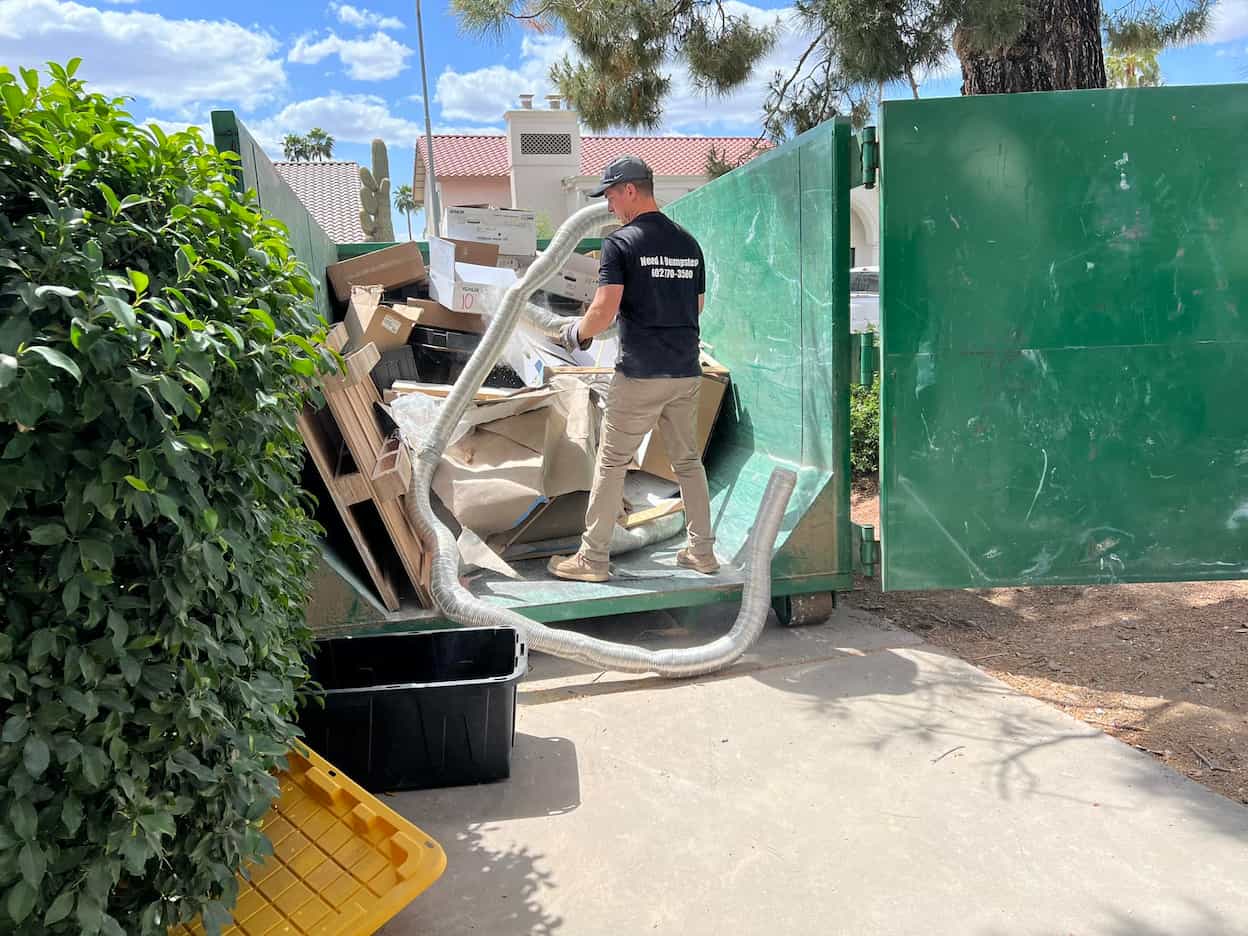
Smaller dumpsters are generally better for light cleanouts, garage decluttering, and minor remodeling projects. Larger dumpsters are designed for heavy debris, construction waste, and full renovation jobs.
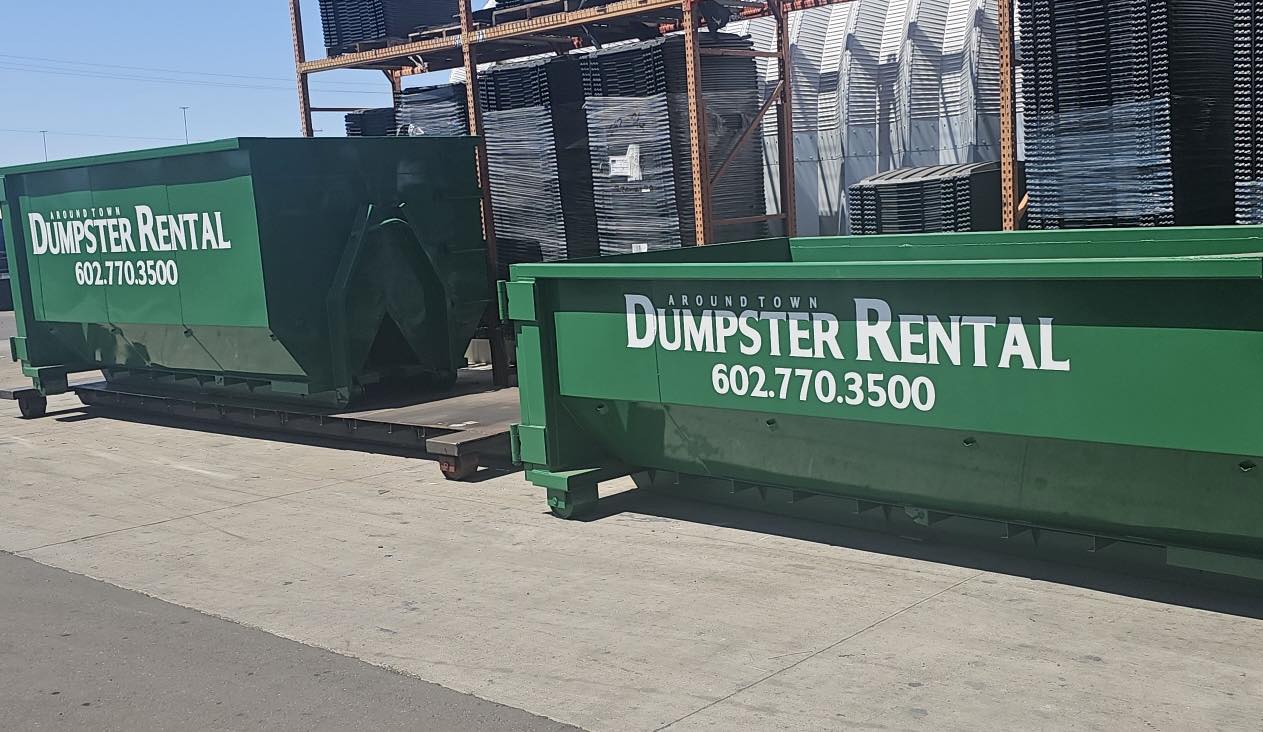
Around Town Dumpster Rental offers:
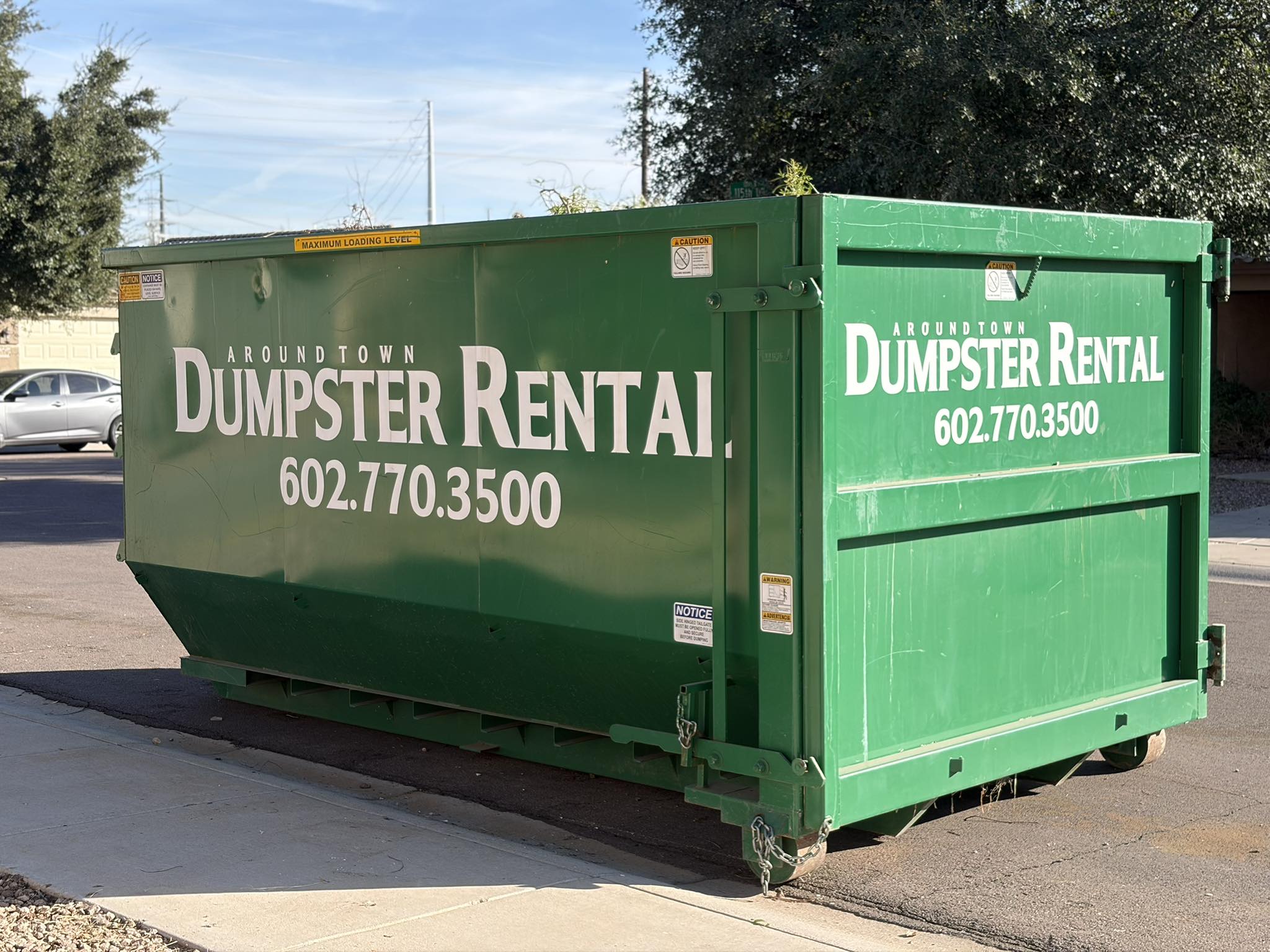
- 12-yard dumpsters for smaller residential projects
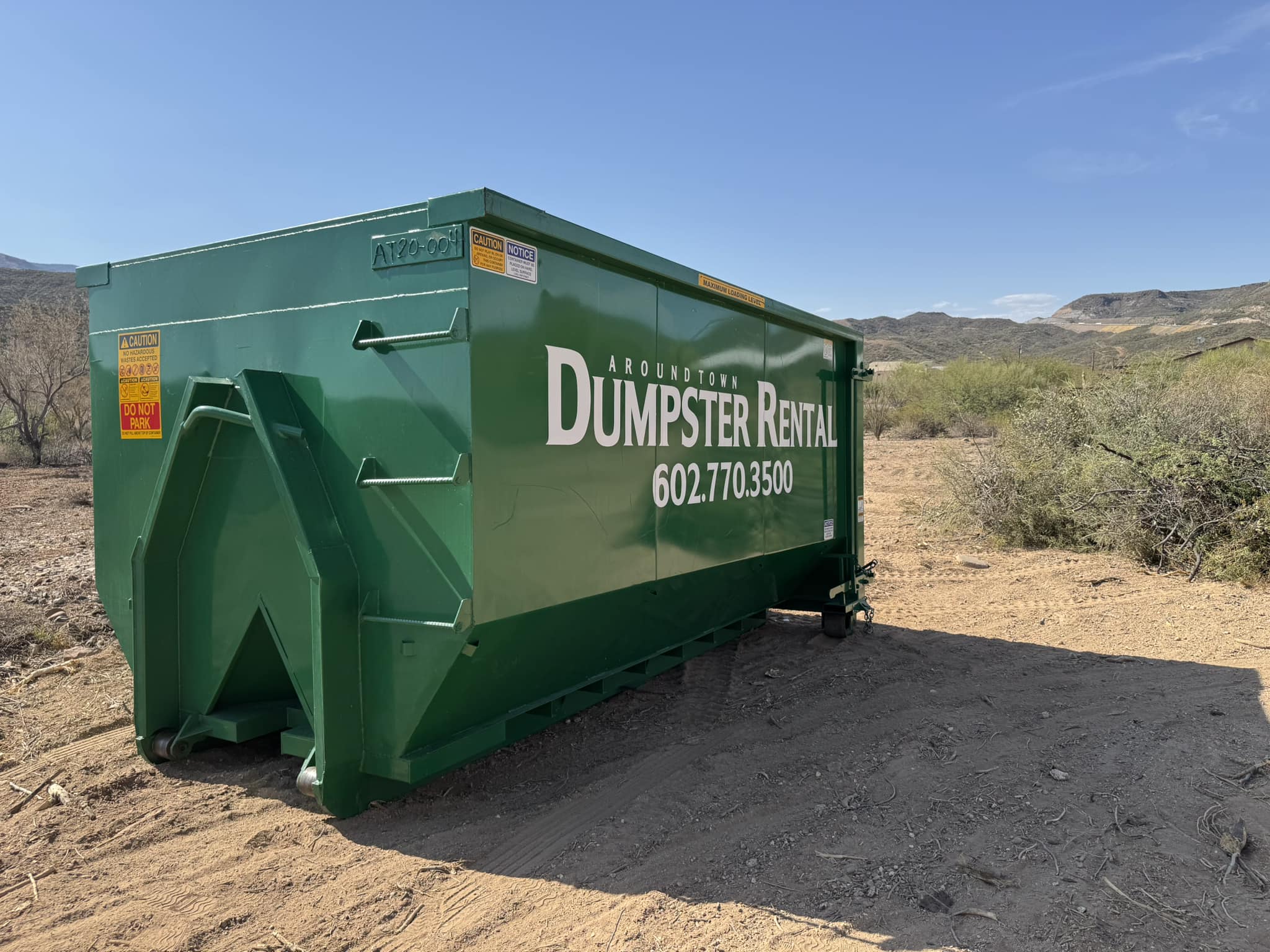
- 20-yard dumpsters for larger remodels, roofing jobs, and commercial cleanouts
Choosing the right size helps avoid overpaying for unused space or needing multiple pickups because the container fills too quickly.
However, even the correct size does not determine the full price alone.
Type of Debris Matters
One of the biggest factors in waste disposal pricing is the type of material being thrown away.
Different types of debris have different disposal requirements, handling costs, and landfill fees.
Common materials include:
- Household junk
- Furniture and appliances
- Yard waste
- Drywall and flooring
- Roofing shingles
- Concrete and brick
- Wood and demolition debris
- Construction materials
Heavy materials like concrete, dirt, roofing shingles, and tile often cost more to dispose of because of weight restrictions and landfill charges.
Lighter materials such as cardboard, packaging, and household clutter are usually less expensive to manage.
Knowing what you plan to throw away helps determine the most accurate rental quote.
Weight Limits Affect Final Cost
Every dumpster rental includes a weight allowance. This is one of the most important dumpster rental cost factors that customers often overlook.
Even if the dumpster appears only half full, heavy materials can quickly exceed weight limits.
For example:
- A small pile of concrete can weigh more than a full load of household junk
- Roofing shingles are far heavier than furniture or drywall
- Dirt and gravel add significant weight very quickly
Exceeding the included weight limit can lead to additional disposal fees.
This is why accurate project planning matters. Understanding both volume and weight helps prevent surprise charges at the end of the rental.
Rental Duration Can Increase Pricing
How long you keep the dumpster also affects the total cost.
Some projects are completed in a weekend, while others take several weeks. The longer the dumpster remains on-site, the more likely additional rental day charges may apply.
Projects that commonly require longer rental periods include:
- Home remodels
- Roofing replacements
- Landscaping overhauls
- Estate cleanouts
- Commercial renovations
Proper scheduling helps reduce unnecessary rental time and keeps costs under control.
At Around Town Dumpster Rental, customers benefit from flexible scheduling that supports project timelines without unnecessary delays.
Delivery Location and Accessibility
Where the dumpster is delivered also impacts pricing.
Distance from the service area, accessibility of the property, and placement requirements can all affect transportation and logistics costs.
For example:
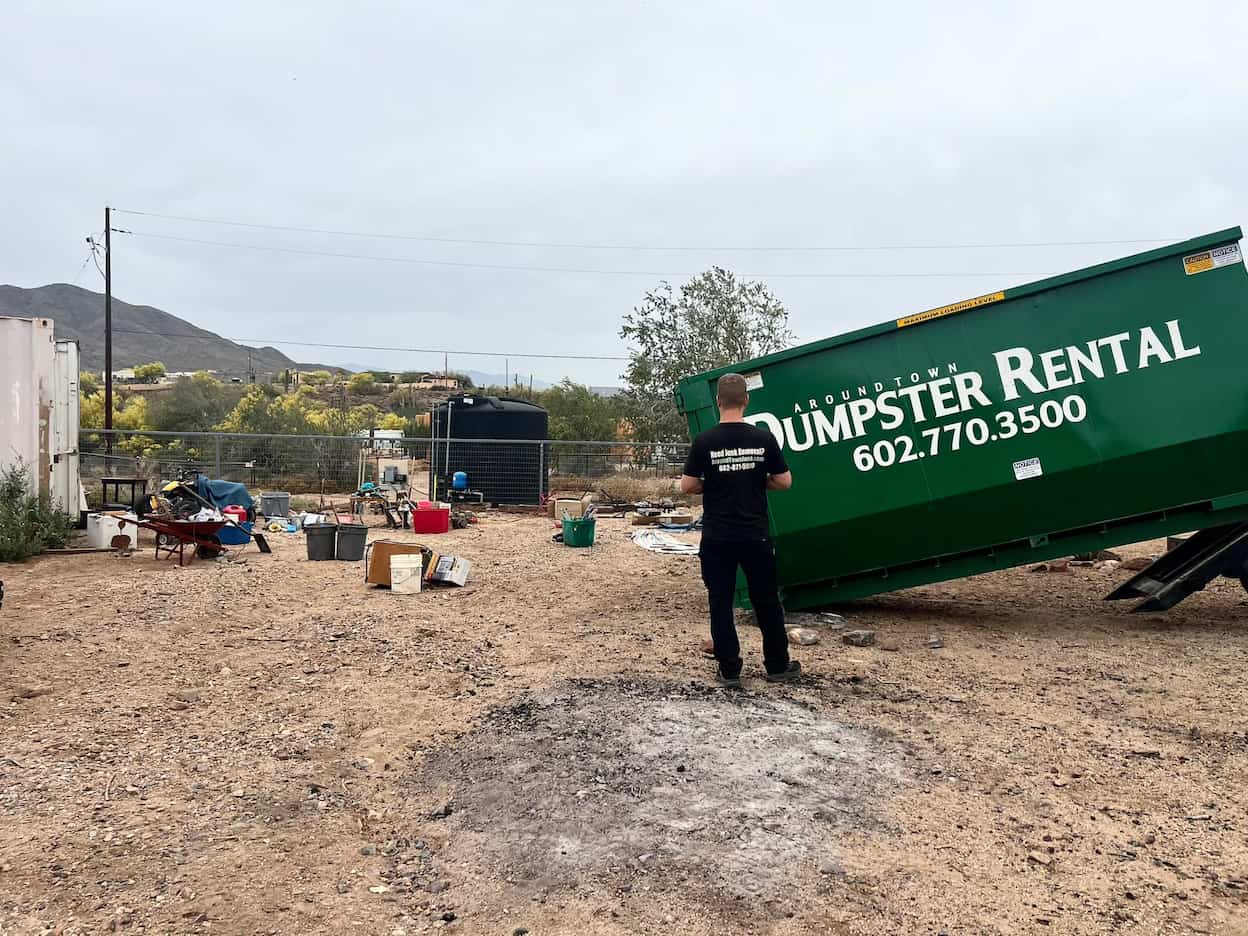
- Rural locations may require longer travel distances
- Tight driveways may require special placement planning
- HOA restrictions or city permits may affect delivery options
- Commercial properties may need specific scheduling windows
Easy access helps improve efficiency and reduce service complications.
Working with a local provider familiar with Arizona service areas helps ensure smooth delivery and fewer surprises.
Number of Hauls and Pickups
Some customers only need one delivery and one pickup. Others require multiple hauls throughout the project.
Large construction jobs, roofing tear-offs, and commercial cleanouts may fill dumpsters faster than expected. In these cases, swap-outs or additional pickups may be necessary.
More pickups mean:
- Additional transportation costs
- More disposal fees
- Extended scheduling coordination
Choosing the right dumpster size and planning debris volume accurately can help minimize repeat hauls and reduce expenses.
Prohibited Items Can Create Extra Charges
Not everything can be thrown into a standard dumpster.
Certain items require special disposal because of environmental regulations or local restrictions.
These often include:
- Paint and chemicals
- Tires
- Batteries
- Electronics
- Refrigerators with refrigerants
- Hazardous materials
- Certain appliances
Disposing of restricted materials improperly can result in added fees or rejected pickups.
Before loading the dumpster, customers should confirm which materials are allowed. This simple step protects both the budget and the project timeline.
Seasonal Demand Can Affect Availability
Demand for dumpster rentals often increases during busy seasons.
Spring cleaning, summer renovations, roofing season, and storm cleanup periods can create higher demand for waste removal services.
During these times:
- Availability may become more limited
- Scheduling may require earlier booking
- Project timelines become more important
Planning ahead helps secure the right dumpster when it is needed most and prevents rushed decisions that may increase costs.
Why Cheap Pricing Is Not Always Better
Some customers search only for the lowest possible price, but the cheapest option is not always the best value.
Low-cost services may come with:
- Hidden fees
- Unclear weight limits
- Delayed pickups
- Poor customer support
- Limited scheduling flexibility
- Inconsistent delivery times
Reliable service, transparent pricing, and local expertise often provide better long-term value than simply choosing the lowest quote.
Around Town Dumpster Rental focuses on dependable service and straightforward pricing so customers know what to expect from the beginning.
Planning Helps Control Costs
The best way to manage waste disposal pricing is proper planning.
Before renting a dumpster, ask:
- What type of debris will be removed?
- How much waste will the project create?
- How heavy will the materials be?
- How long will the dumpster be needed?
- Is one haul enough, or will multiple pickups be required?
These questions help avoid unnecessary fees and make the rental process far more efficient.
Good planning leads to better pricing decisions.
Dumpster Rental Cost
The real cost of dumpster rental involves much more than container size.
Understanding dumpster rental cost factors such as debris type, weight limits, rental duration, location, accessibility, prohibited items, and haul frequency helps customers make informed choices and avoid unexpected charges.
Smart waste disposal pricing starts with choosing the right provider and planning the project properly from the beginning.
At Around Town Dumpster Rental, Arizona homeowners, contractors, and business owners receive dependable service, clear pricing, and practical 12-yard and 20-yard dumpster solutions for projects of every size. Whether you are handling a simple cleanout or a major construction job, knowing what impacts pricing the most helps you stay on budget and keep your project moving forward.